Loading...
Serving Big Spring, TX and surrounding areas. (432) 263-5110
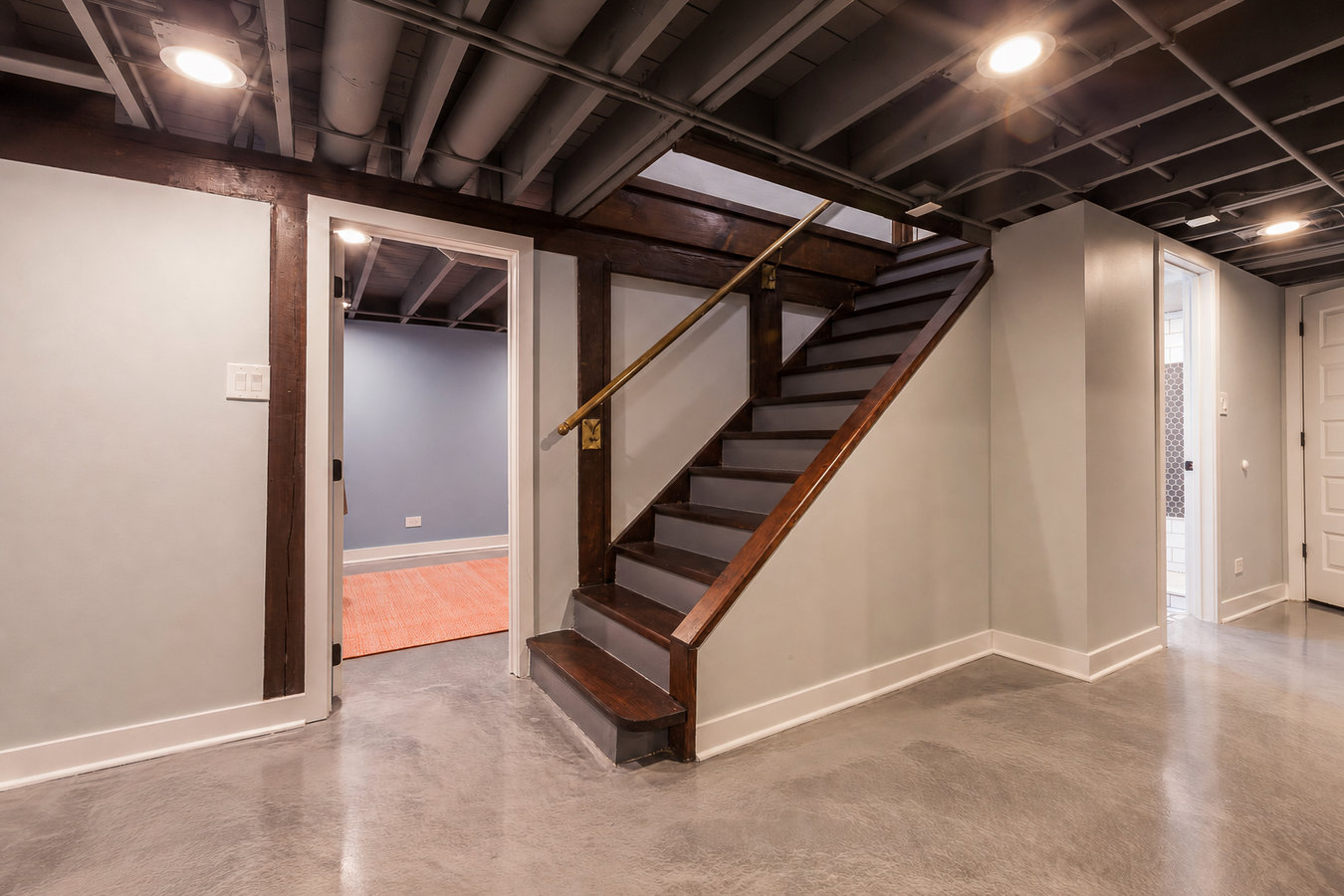
Stop putting up with a bare, dusty slab. We prep, coat, and finish basement floors that stand up to West Texas heat, caliche soil, and decades of hard use.
Basement flooring in Big Spring starts with the existing concrete slab - we test for moisture, grind and patch the surface, and apply a coating or finish that bonds correctly and holds up over time. Most jobs are completed in one to three days, not counting the 24 to 48 hours needed for the coating to cure fully. Whether you want a clean epoxy coating, a stained finish, or a more decorative look, the prep work underneath is what determines how long it lasts.
Basements in Big Spring are rarer than in much of the country - when they do exist, the slabs are often original concrete that has been sitting exposed for decades. That history matters. If the slab has cracked, absorbed moisture, or has old coatings on it, those issues need to be addressed before anything new goes down. Many homeowners also find that a finished basement floor pairs well with concrete grinding and surface preparation as a first step to getting the slab truly ready.
If you sweep and the floor still looks dull and dusty within a day, the concrete surface is breaking down. This is called concrete dusting, and it is common in older Big Spring slabs where decades of heat cycling and caliche soil movement have degraded the top layer. A proper coating stops this completely.
Those powdery white patches are efflorescence - mineral salt left when moisture moves through concrete and evaporates. In Big Spring, caliche soil can push moisture through slabs in unpredictable ways. This is a sign moisture is present and must be addressed before any floor covering goes down.
Small cracks and surface pitting are common in older concrete, but they get worse over time if left untreated. Cracks wider than a hairline or chunks of surface flaking off mean the slab needs repair before it can be properly finished. Ignoring this now makes the eventual repair more expensive.
A musty smell in a basement, even in Big Spring's dry climate, usually means moisture is getting in through the slab or walls. That moisture creates conditions for mold and mildew, which affects your home's air quality. Sealing and coating the floor is one of the most effective ways to cut off that moisture pathway.
We offer several options for finishing a basement floor, and we help you match the right product to your slab condition, your budget, and how you plan to use the space. Epoxy coatings are the most popular choice - they bond directly to concrete, resist stains and dust, and can be done in a solid color, a decorative flake finish, or a metallic look. For spaces that need color and warmth, a concrete sealing treatment after surface prep can bring out the natural character of the slab without heavy coatings. Every option starts with a proper site visit and moisture test so we know exactly what we are working with.
If your basement slab has old paint, adhesive, or decades of layered coatings that need to come off first, concrete grinding and surface preparation is typically the first step before any finish goes down. We handle the full project - prep through final coat - so you are not coordinating multiple contractors.
The most popular choice for Big Spring basements - bonds directly to concrete, resists stains and abrasion, and available in solid colors or decorative flake finishes.
For homeowners who want moisture protection and a clean look without a heavy coating - penetrating sealers lock out moisture while preserving the look of the concrete.
For older Big Spring slabs with cracks, pitting, or efflorescence - we address the underlying issue before applying any finish so the coating does not fail within a few years.
For homeowners converting a storage basement into a workshop, gym, or living space - decorative finishes make the floor feel like part of the home, not a utility space.
Big Spring sits on the Llano Estacado and Edwards Plateau transition zone, where the ground is dominated by caliche - a hard, calcium-rich layer just below the surface. Caliche does not drain well and shifts slightly with moisture changes, which means basement slabs in this area are more prone to minor cracking and surface irregularities than slabs in other parts of Texas. Homeowners in Stanton and Garden City deal with the same soil conditions, and in each case the prep work before the coating goes down is the most important part of the job.
The heat is the other major factor. Big Spring regularly sees summer temperatures above 100 degrees F, and concrete slabs absorb and hold that heat. Many standard coatings have application temperature limits - if the slab is too hot when the product goes down, it will not bond correctly and can peel within months. We know this market, we schedule accordingly, and we choose products rated for high-temperature application. The EPA also recommends proper ventilation during coating application to protect indoor air quality - see their guidance at epa.gov - and we follow those practices on every job.
We ask about the size of the space, what is currently on the floor, and how you plan to use it. We respond within one business day and will not give you any numbers until we have seen the slab in person.
We check the slab for cracks, old coatings, moisture, and level. We may do a simple moisture test - tape a piece of plastic to the floor and check it after a day or two. This step determines what prep is needed and which options will actually work in your space.
We grind, clean, and patch the slab to create a surface the coating can bond to properly. Any cracks get filled and old coatings come off. This step takes the most time and is what separates a floor that lasts a decade from one that starts peeling in two years.
Once the slab is ready, the coating goes down in sections. Most applications finish in a single day. Plan for 24 hours before light foot traffic and 48 to 72 hours before moving furniture back. We walk you through care instructions before we leave.
No obligation. We test for moisture first, give you a written quote with no surprises, and respond within one business day.
(432) 263-5110We test every slab for moisture before recommending a product. In Big Spring's caliche soil environment, skipping this step is the number-one reason basement coatings fail within a few years. We address moisture properly so your floor does not bubble, peel, or grow mold underneath.
We visit your home, look at the slab, and give you a written estimate that covers everything - including slab prep. The number you agree to is the number you pay. We do not start the job and then tell you it is going to cost more because of something we could have caught at the assessment.
Many standard coatings will not bond correctly if the slab is too hot during application. We select products rated for the temperature conditions common in Big Spring and schedule work accordingly - early morning applications in summer, or project timing shifted to spring and fall when possible.
A significant portion of Big Spring's homes were built during the oil boom years of the mid-20th century, and we know what those slabs look like - old paint, adhesive layers, and decades of settling. We find those issues at the assessment stage, not after we have started. The American Concrete Institute at concrete.org publishes slab repair standards we follow for every project.
Every basement floor project in Big Spring starts with an honest look at the slab and a written estimate you can count on. Call us or submit the form above and we will get back to you within one business day.
Get the slab properly ground and prepped before any coating goes down - the step that determines how long your finish lasts.
Learn MoreProtect your basement slab from moisture and staining with a penetrating or topical sealer suited to West Texas conditions.
Learn MoreReach out today - we test the slab, give you a written quote, and get your basement finished without surprises.